 nce upon a time there was a small community
comprising 100 dog bone-winners and their families. Each morning for as long as anyone can remember
the 100 dogs set off into the field to dig for bones to bring back home to their families. There
were The government's bone policy was designed to ensure that there were always enough bones for
all the bone-winners to succeed in their search and no dog families went without a bone. The community
was secure, young dogs were happy and well prepared to take over the bone-winner's role when the
older dogs retired. There was no bone-stealing and all the bone-winners always had an incentive
to get up each day to dig for the bones that were buried in the field each night.
nce upon a time there was a small community
comprising 100 dog bone-winners and their families. Each morning for as long as anyone can remember
the 100 dogs set off into the field to dig for bones to bring back home to their families. There
were The government's bone policy was designed to ensure that there were always enough bones for
all the bone-winners to succeed in their search and no dog families went without a bone. The community
was secure, young dogs were happy and well prepared to take over the bone-winner's role when the
older dogs retired. There was no bone-stealing and all the bone-winners always had an incentive
to get up each day to dig for the bones that were buried in the field each night.
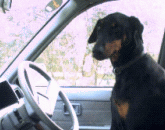 Each morning, the bone-winners would groom themselves with pride and head of to the field. You can
see how keen they were to get on the road and go and dig for bones. One day the 100 dog bone-winners
set off for the field and when they arrived they found there were only 94 bones buried. Some dogs who
were always very sharp dug up two bones as usual, others dug up the usual one bone. However, as a
matter of accounting, at least 6 dog bone-winners returned home to their families that day bone-less.
The was initial despair but because this had never happened before the bone-less families pulled
together and ensured that their bone-winner maintained spirit and arose earlier than usual next
morning and spent the extra time grooming and getting prepared for the day in the field.
Each morning, the bone-winners would groom themselves with pride and head of to the field. You can
see how keen they were to get on the road and go and dig for bones. One day the 100 dog bone-winners
set off for the field and when they arrived they found there were only 94 bones buried. Some dogs who
were always very sharp dug up two bones as usual, others dug up the usual one bone. However, as a
matter of accounting, at least 6 dog bone-winners returned home to their families that day bone-less.
The was initial despair but because this had never happened before the bone-less families pulled
together and ensured that their bone-winner maintained spirit and arose earlier than usual next
morning and spent the extra time grooming and getting prepared for the day in the field.
But the pattern set in and the next day the 100 dogs set out to dig for 94 bones. They searched vigorously but only 94 bones were in the field. The situation started to get desperate and the government bone policy took a sharp turn and started to focus on the motivation of the bone-seekers who were bone-less.
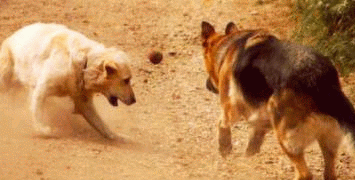
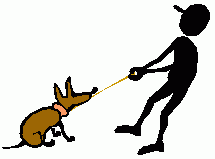 Consultants were called in, dog
psychologists, dog-trainers to work on the attitudes of the bone-less dogs. Initially there was
resistance because the dogs didn't feel that they were to blame. 100 dogs but only 94 bones.
The Bone Network was established by the BoneCentre Department to make these various programs designed
to help the bone-less dogs get back into bone-winning shape and organisations sprung up all over the
small community to offer Bone Network services. The bone-less dogs began to here new terms like
bone-seekers and the staff in the Bone Network provider offices often called them clients. As time
went by changes continued and each bone-less dog (and by now more than 25 per cent of them had been
in that state for over 52 weeks) had to attend the nearest Bone Network office and be classified by
the Bone-Seeker Classification Instrument (BSCI). One dog was asked about the assessment process
undertaken in the BSCI interview by the BoneCentral officer. The dog replied that the BoneCentral
officer had a big sheet and put down numbers. Every time the dog fidgeted a bit a score under the
heading "observable behaviours" was noted. The bone-less dog was considered a problem if they
were "too quiet", or "too loud", or "talked over", or used "inappropriate or aggressive language",
"talked incessantly", showed a "lack of insight", had "unusual dress", "inappropriate make-up
application", and "shaked, paced, twitched, trembled" and almost any other sign of despair that
accompanied their bone-less state.
Consultants were called in, dog
psychologists, dog-trainers to work on the attitudes of the bone-less dogs. Initially there was
resistance because the dogs didn't feel that they were to blame. 100 dogs but only 94 bones.
The Bone Network was established by the BoneCentre Department to make these various programs designed
to help the bone-less dogs get back into bone-winning shape and organisations sprung up all over the
small community to offer Bone Network services. The bone-less dogs began to here new terms like
bone-seekers and the staff in the Bone Network provider offices often called them clients. As time
went by changes continued and each bone-less dog (and by now more than 25 per cent of them had been
in that state for over 52 weeks) had to attend the nearest Bone Network office and be classified by
the Bone-Seeker Classification Instrument (BSCI). One dog was asked about the assessment process
undertaken in the BSCI interview by the BoneCentral officer. The dog replied that the BoneCentral
officer had a big sheet and put down numbers. Every time the dog fidgeted a bit a score under the
heading "observable behaviours" was noted. The bone-less dog was considered a problem if they
were "too quiet", or "too loud", or "talked over", or used "inappropriate or aggressive language",
"talked incessantly", showed a "lack of insight", had "unusual dress", "inappropriate make-up
application", and "shaked, paced, twitched, trembled" and almost any other sign of despair that
accompanied their bone-less state.
 The young dogs in the dog-school yards started using new words to describe the dog-parents who were
bone-less. One bone-less dog heard his young pup using this terminology in the back dog-year one evening
and was filled with despair. You could clearly observe the change in appearance in the grooming and
bearing of the bone-less dogs. Once proud now forlorn. Some of them became ill while others found their
families were no longer happy places as they had previously been. The typical vibrant nightly
family discussions after the day's bone digging were now marked with a sense of purposelessness and
the whole bone-less dog-family was affected. BoneCentre also introduced a new scheme designed to ensure
that the bone-less dogs earned the survival bones that were given to them. This became known as the
very popular Dig For Bone program.
The young dogs in the dog-school yards started using new words to describe the dog-parents who were
bone-less. One bone-less dog heard his young pup using this terminology in the back dog-year one evening
and was filled with despair. You could clearly observe the change in appearance in the grooming and
bearing of the bone-less dogs. Once proud now forlorn. Some of them became ill while others found their
families were no longer happy places as they had previously been. The typical vibrant nightly
family discussions after the day's bone digging were now marked with a sense of purposelessness and
the whole bone-less dog-family was affected. BoneCentre also introduced a new scheme designed to ensure
that the bone-less dogs earned the survival bones that were given to them. This became known as the
very popular Dig For Bone program.
 BoneCentre also commissioned a major consultant's report which identified eight bone seeker segments,
which reflected the bone-seeker's level of motivation towards the bone search activity. A complex
diagram summarised the eight segments. One of these segments was focused on my the community's media
next day. It identified Cruising Bone Seekers who were described as being
relaxed about being bone-less and didn't really want to return to the field and had stopped going out
to the field each day. The terminology quickly entered common dog-school yard jargon. Any dog walking
down the street in the hours when they were normally digging in the field were taunted with the term.
100 dogs kept going out each day for the 94 bones. BoneCentre published a monthly Bone-Less rate and
this became contentious because the definition of being bone-less excluded those who didn't go out
to the field each day. The same dogs had always gone out and would again but they understood the
equation - 100 dogs 94 bones. BoneCentre said that the Bone-Less rate was around 3 per cent and would
drop further once the benefits of the Bone Network were realised.
BoneCentre also commissioned a major consultant's report which identified eight bone seeker segments,
which reflected the bone-seeker's level of motivation towards the bone search activity. A complex
diagram summarised the eight segments. One of these segments was focused on my the community's media
next day. It identified Cruising Bone Seekers who were described as being
relaxed about being bone-less and didn't really want to return to the field and had stopped going out
to the field each day. The terminology quickly entered common dog-school yard jargon. Any dog walking
down the street in the hours when they were normally digging in the field were taunted with the term.
100 dogs kept going out each day for the 94 bones. BoneCentre published a monthly Bone-Less rate and
this became contentious because the definition of being bone-less excluded those who didn't go out
to the field each day. The same dogs had always gone out and would again but they understood the
equation - 100 dogs 94 bones. BoneCentre said that the Bone-Less rate was around 3 per cent and would
drop further once the benefits of the Bone Network were realised.
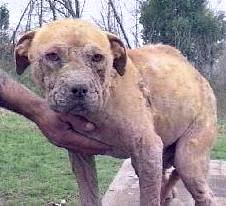 Some of the help given by the Bone Network helped make some individuals more
motivated and aggressive and so subtle changes were noticed in the
composition of the bone-less dogs at the end of each day. But no matter how many resources BoneCentre
pumped into the Bone Network, there were still many dogs who remained bone-less day in day out. They
steadily lost their pride and their appearance became increasingly worrying.
Some of the help given by the Bone Network helped make some individuals more
motivated and aggressive and so subtle changes were noticed in the
composition of the bone-less dogs at the end of each day. But no matter how many resources BoneCentre
pumped into the Bone Network, there were still many dogs who remained bone-less day in day out. They
steadily lost their pride and their appearance became increasingly worrying.

However, whichever way you counted the bone-less rate there were 100 dogs wanting to go to the field each day and only 94 bones were buried there.
100 dogs and 94 bones.
THE END
Thanks to Phillip Harvey for inspiration. Ideal for children as a bed-time story. It teaches them about their future.